Your Retirement Plan in 2026

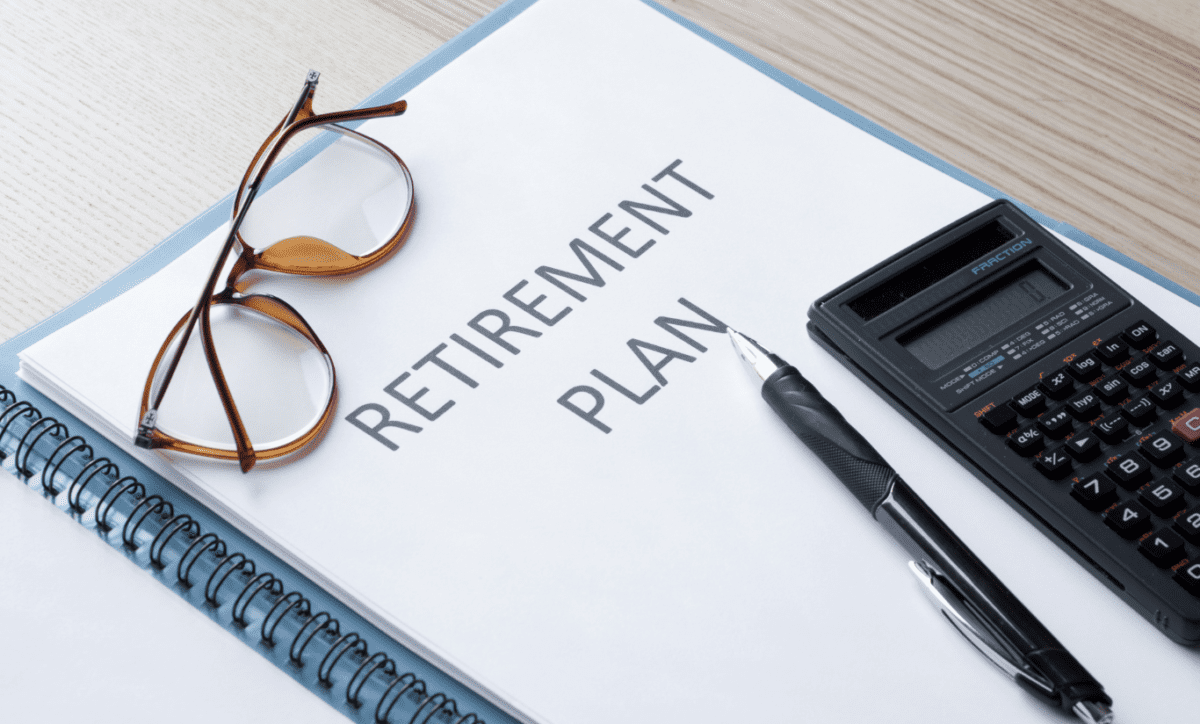
A strong retirement strategy matters in every season of life, but in 2026, building the right roadmap feels more important than ever. People are living longer, healthcare costs remain a concern, and financial rules continue to shift. The 2026 401(k) elective deferral limit is $24,500, IRA contribution limits are $7,500, and required minimum distributions generally begin at age 73. Social Security benefits also increased by 2.8% for 2026.
That is why creating a thoughtful retirement plan today is about more than saving money. It is about preparing for the future you want while staying flexible enough to adapt to life, taxes, inflation, and changing financial goals. Whether you are early in your career or getting closer to retirement, a well-built retirement plan can help bring more structure and confidence to your decisions.
Why 2026 Is a Good Time to Revisit Your Strategy
The financial environment continues to evolve, and that means your goals should not sit on autopilot. A lot can change over the course of a few years. Income may increase, expenses may shift, family priorities may change, and retirement account rules can be updated. Reviewing your retirement plan in 2026 gives you the chance to make sure your savings habits, investments, and long-term goals still line up.
This is also a smart time to take a broader view of your future. Retirement can last 20 to 30 years or more, and that means your money may need to support a much longer lifestyle than previous generations expected. That reality makes it even more important to have a retirement plan that considers not just how much you save, but how you will use that money later on.
Important Elements of a Strong Retirement Strategy
Make the Most of Current Contribution Limits

One of the easiest ways to improve your financial future is to maximize retirement account contributions when possible. In 2026, workers can contribute up to $24,500 to a 401(k), while IRA contribution limits increased to $7,500. Catch-up contributions are also available for older savers, including higher catch-up limits for eligible individuals ages 60 to 63 under SECURE 2.0 rules.
Even small increases in annual contributions can make a meaningful difference over time. If you have not reviewed your payroll deductions or IRA funding strategy recently, now is a great time to do so. Consistency matters, and every strong retirement plan benefits from steady contributions over time.
Align Investments With Your Stage of Life
Investment strategy should reflect where you are today, not where you were five or ten years ago. Someone with decades until retirement may have more room for growth-focused investments, while someone approaching retirement may want a more balanced mix that emphasizes stability, income, and liquidity.
That does not mean avoiding growth entirely. It means building a portfolio that fits your goals, your time horizon, and your comfort with risk. A dependable retirement plan should support your future lifestyle without exposing you to unnecessary surprises along the way.
Think Ahead About Taxes
Taxes play a bigger role in retirement than many people expect. Traditional retirement accounts may offer tax-deferred growth, while Roth accounts can provide tax-free qualified withdrawals. Each option can be useful, but the right mix depends on your income today and your expectations for the future.
Required minimum distributions are another key part of the equation. For most people, RMDs begin at age 73, and failing to plan ahead can create avoidable tax pressure later. A well-structured retirement plan should include a withdrawal strategy, not just a savings strategy.
Prepare for Healthcare Costs and Longevity
One of the biggest challenges retirees face is the cost of healthcare. Premiums, prescriptions, specialist visits, and long-term care needs can take a significant bite out of retirement income. At the same time, longer life expectancies mean your savings may need to last much longer than you originally assumed.
That is why a complete retirement plan should account for more than everyday living expenses. It should also consider the costs that tend to rise with age, especially if you want more freedom and fewer financial surprises later in life.
Use Technology to Stay Organized
Financial tools in 2026 can make retirement preparation easier to manage. Budgeting apps, account dashboards, contribution trackers, and retirement calculators can all help you stay aware of your progress. These tools are useful, but they work best when they support a clear long-term strategy.
Technology can help you monitor your goals, but it should not replace thoughtful decision-making. The real value comes from using those tools to strengthen your retirement plan, not simply automate it.
Looking Ahead With Confidence
Retirement is not something most people want to leave to chance. In 2026, the people who feel most prepared are often the ones who review their goals regularly, save consistently, and make adjustments when life changes. Markets will move, laws will evolve, and priorities may shift, but a solid retirement plan helps you stay grounded through all of it.
If your current approach feels outdated or incomplete, this is a smart time to revisit it. The right retirement plan can help you prepare for the future with more clarity, more flexibility, and more peace of mind.